

Modifier l’article ‹ Blog Master Marketing Data Ecommerce — WordPress
On the 26th of may 2020, Intertraffic held the second edition of its webinar series. This event treated a subject that became progressively important as lockdown restrictions were being gradually lifted. The objective was to detail how AI can help avoiding post-Covid-19 traffic jams . So, during pandemic times, cities are temporarily changing to cater for more cyclists and shared services. What’s your point of view about these measures ?
After two decades of being told to take public transport, governments are now imploring us to do the exact opposit. So, how are European countries going to cope with what could actually be described as an extra influx of traffic?
How is the Covid-19 aftermath influencing mobility?
Mobility Authorities lost control over Transportation Systems: a direct factor that brought out new mobility players.
M.Eichhorn from Siemens Mobility.
Before the beginning of the intervention, the audience answered an interesting poll question that goes as follows: In Coronavirus times, countries are pro tempore modifying their mobility infrastructure models to encourage green / soft mobilities. How do you perceive the latter?
48% of the audience answered: Really good, these measures should be generalized in normal times. However, 19% thought it would be great, but not permanently.
Firstly, the mobility ecosystem has clearly changed within the last decade. Then, due to the emergence of new mobility players in the market, cities have lost control over the transportation systems. There are currently no tools that support cities to actively manage the demand of the infrastructure, changing travel behaviour and strategic KPIs like air quality, traffic flow or the achieved safety.
What challenges and trends are emerging regarding mobility?
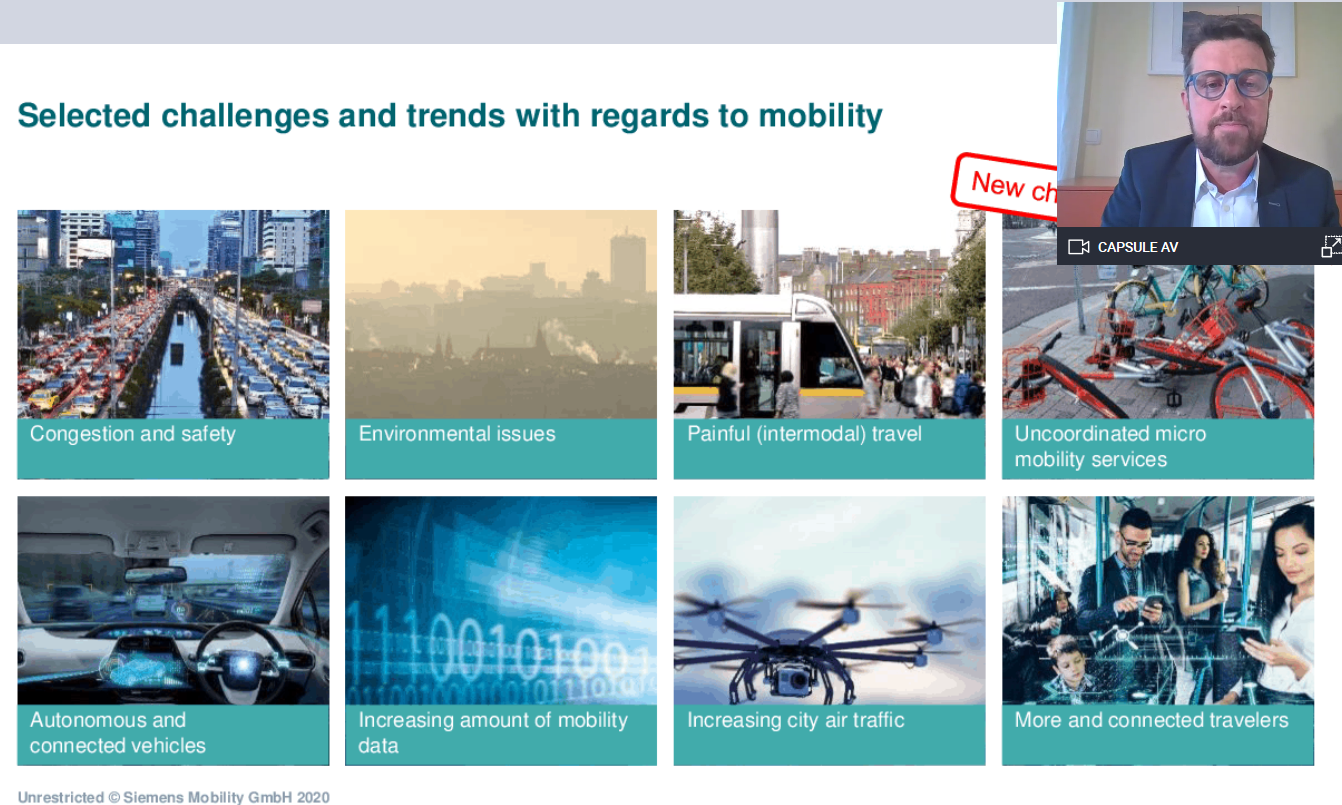
Countries experienced significant changes during last years in urban mobility development. Before this transition, mobility authorities had an overseeable field to manage: limited number of vehicles and transportation demands. Also, small public transport entities to manage: few buses, trains and a limited number of taxis. The cities were then in total control and could easily manage transportation matters. Back then, the supply could be balanced by simply increasing or decreasing public transport or taxi licenses. However, with rapid urbanisation, the urban population will continue growing. Consequently, the number of requested vehicles will increase. Moreover, the internet economy and e-commerce will boost logistical services. Furthermore, with the fear of infection, people tend to switch from public transportto cars. This situation generated brand new business models like MaaS, with bicycles fleets and ride-hailing apps. All of these measures will lead to increased traffic jams and environmental pollution and even safety issues.
State-of art solutions must serve Cities and Authorities to offer better mobility services after Covid-19
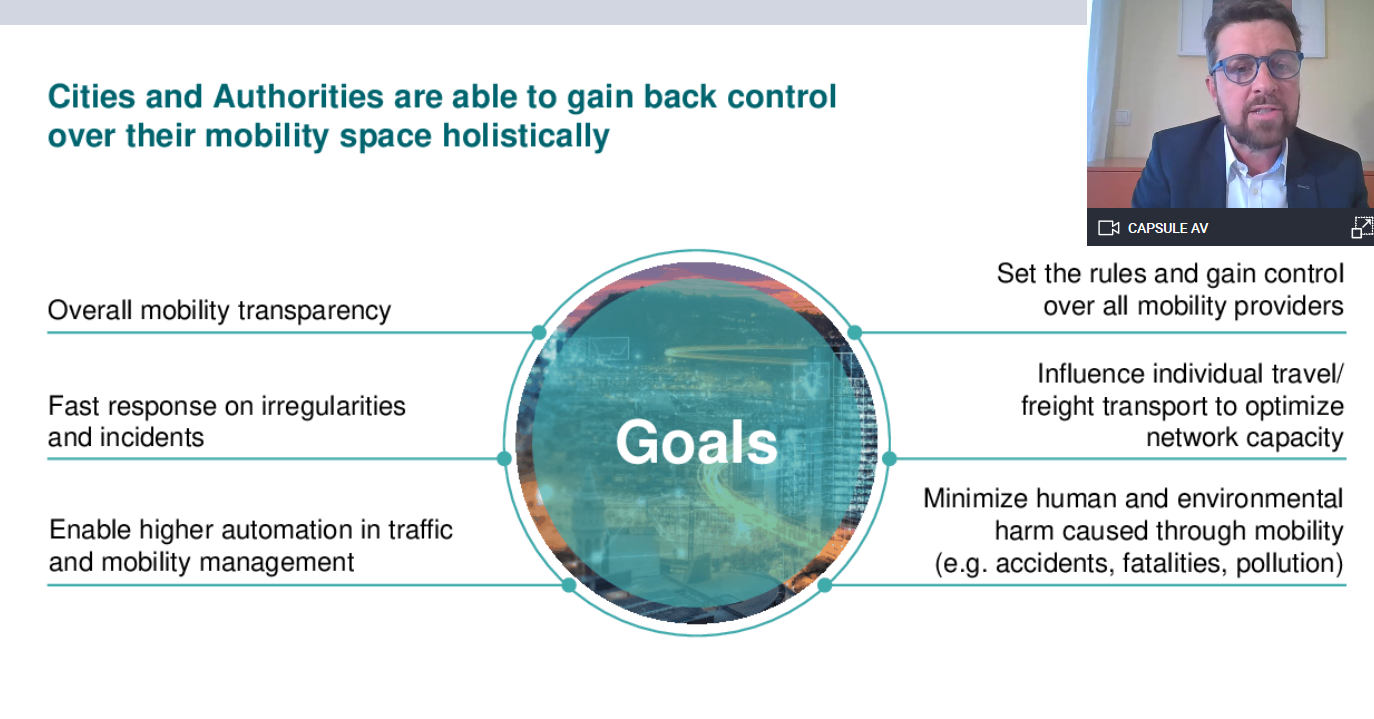
Yet, Cities and authorities can actually take back control over their own mobility space. The way is to create an operating system that must achieve 6 main objectives. It will allow checking the real-time status of traffic. The infrastructure will also receive data about the level of traffic and service on a motorway, urban blocs and streets with weather data, upcoming events and infrastructure dysfunctions.
- Mobility transparency
- Real-time communication and interaction with incidents and irregularities
- Establishment of rules and restoring control over mobility actors
- Individual travel habits change
- Freight network capacity optimization
- Human and environmental damage minimization
Siemens Mobility Smart solutions to traffic jams after Covid-19 crises
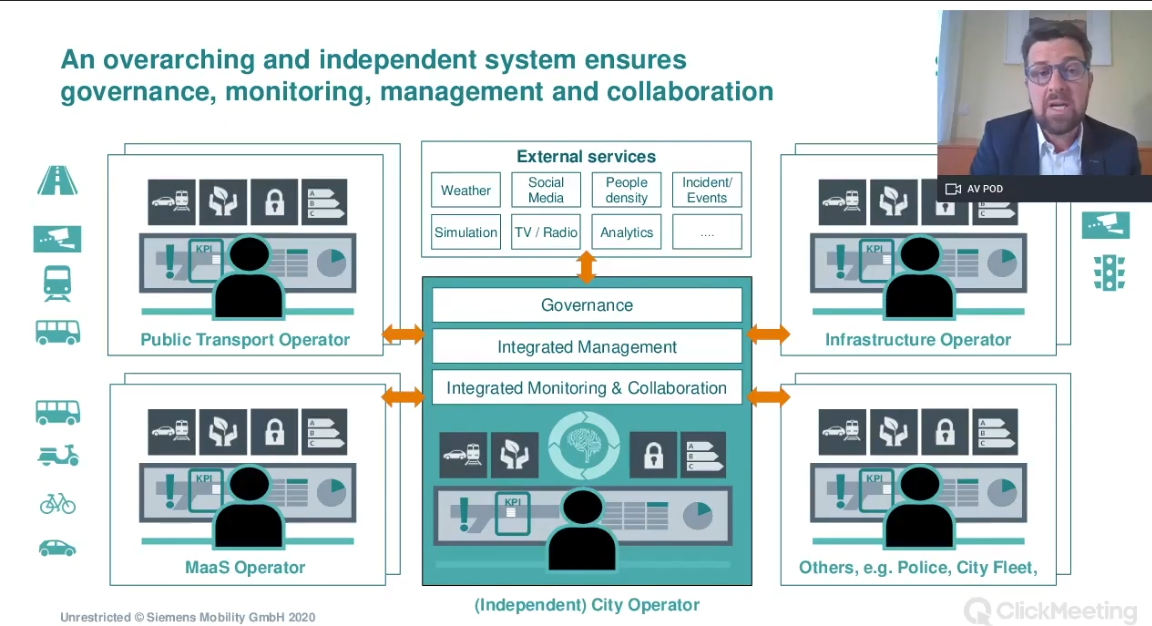
The key success factor would be the reaction to abnormal activities or events thanks to the integration of all transport technological bricks. Consequently, stakeholders will permanently be informed thanks to repetitive tasks automation. As a result, decision makers will be able to focus on governing and administering cities that are in a position to set and enforce regulation basics like speed limits or parking. Finally minimizing human and environmental harm caused by transport. So, there will be less accidents less fatalities and decreased environmental issues.
A high level architecture concept was implemented via this OS. It sits on top of other existing systems like the multiple management ones of buses and trains operators. It’s compsed of MaaS providers through the provision of vehicles, bikes, scooters, etc. Also, there is the infrastructure providers like road and rail operators and itegrators or even the power supply providers . Moreover, there is the dedicated OS to public entities like the police, the fire service and other bricks like the connection to external services like weather data, social networkds or simulation engines.
Floating real-time data at the service of mobility authorities
To improve traffic information, new data can be provided by Apps users themselves.
J. de Vries from Flitsmeister
Again, the participants answered the second poll question. The latter was as follows: Are speed detectors useful to improve road safety through informing drivers ? and surprisingly, 48% were positive again. A favourable ground for J. de Vries to begin his intervention with. He specifically talked about how floating car data can help Flitsmeister and consequently the cities to prevent post-Corona traffic jams via real-time traffic information. Therefore, the other intelligent transportation services may use it to contribute to the decongestion of road networks after deconfinement.
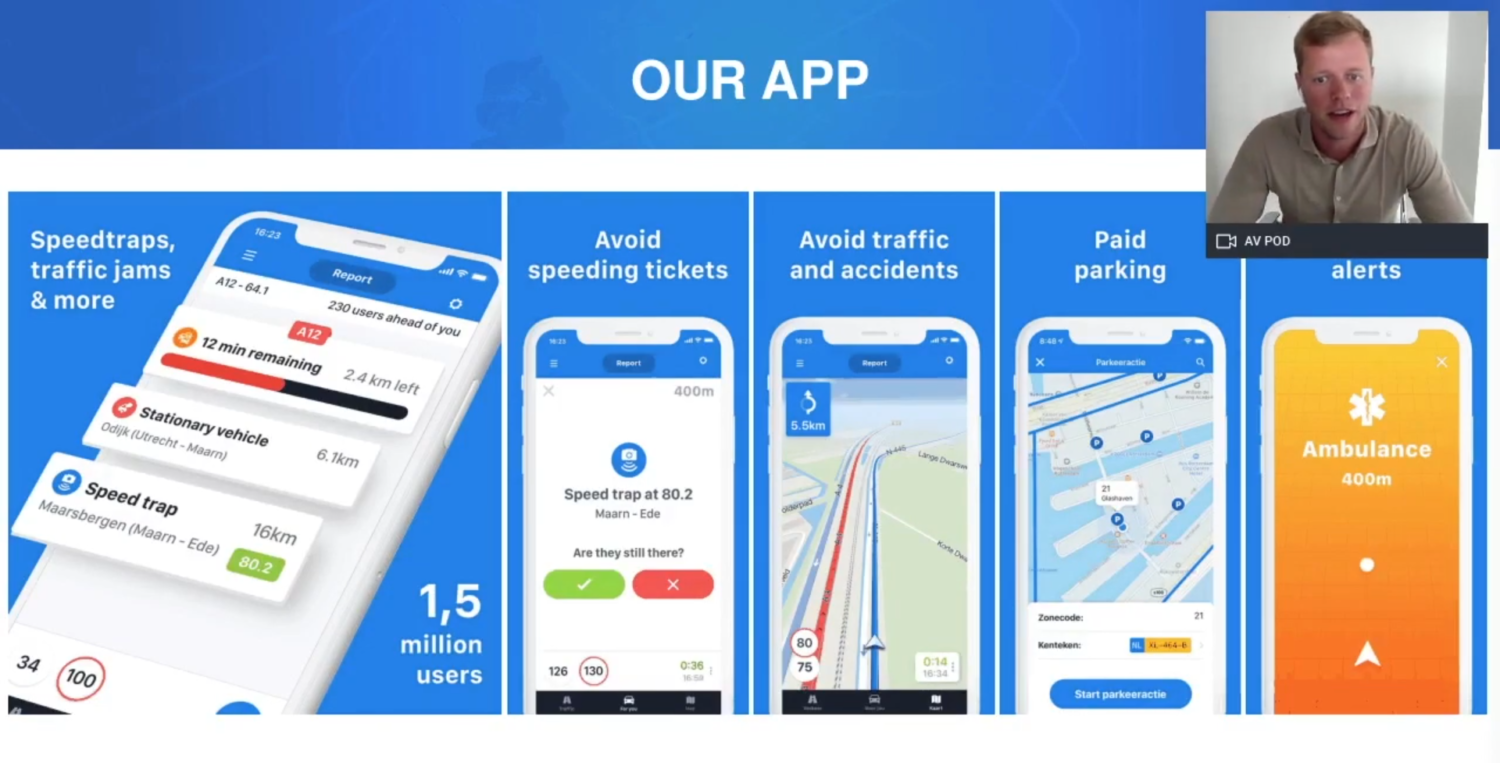
This app helps passengers through speed detectors (sensors and cameras) and emergency vehicles real-time alerts. After, it helps avoiding speed traps and as a consuequence speeding tickets, accidents and traffic jams. Nearly 2 million road users have Flitsmeister on their smartphone. We consider our users not only customers but also a big community that produces a huge amount of data. They make more than 40 million monthly trips. The actual added value is contributing to data creation by 5 billion GPS points’ producing. In addition to that, these users find the app more accurate and reliable than Waze, an international and big competitor of Flitsmeister.
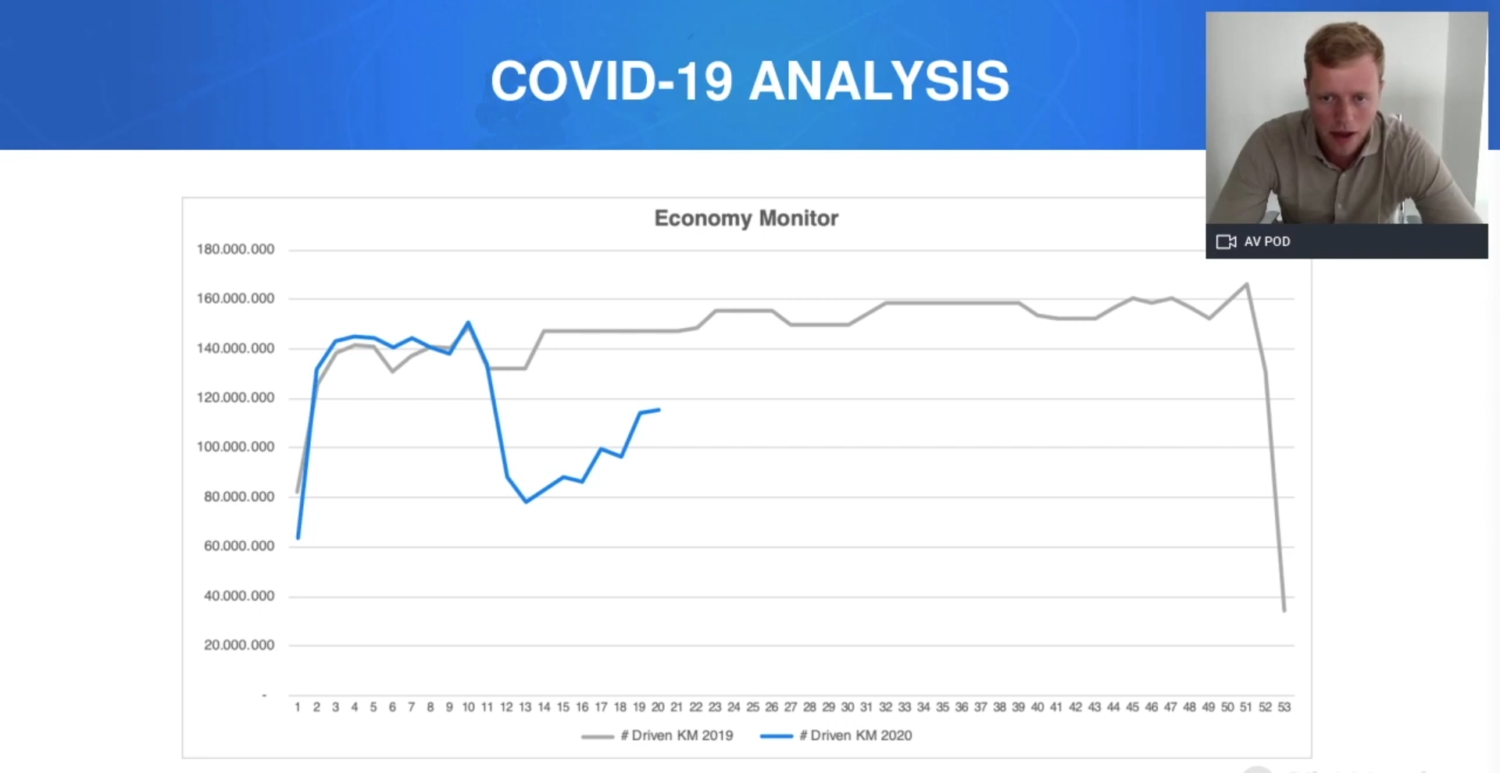
Smart mobility actors must continue their efforts by reporting real-time traffic data to mobility authorities and analysing them using AI and Deep Learning to reduce congestion risks that may occur after the deconfinement’s end.

- Intertraffic webinar | 26 May 2020
- https://www.intertraffic.com/news/articles/intertraffic-webinar-measures-post-corona-traffic-congestions/
big data blockchain business model cloud computing Communication digitale Consommation durable CRM data data driven digital Digitalisation DNVB données clients e-commerce E-santé expérience client Google Hôtellerie IA influence Innovation Intelligence artificielle Les cookies tiers luxe machine learning marketing marketing digital marketingdigital Media Netflix NFT Notoriété occasion personnalisation Publicité Retail rse réalité virtuelle réseaux sociaux Santé Seconde Main tourisme Transformation digitale Transformation numérique éthique


0 commentaires